
On the main facade, different elements appear, such as a sign proportioned to its size, noticeable because it interrupts the large metal cladding of the building, preceded by opaque laminated glass that serves as a background for the sign and enclosure of service areas. In addition, a large window accompanied by a metal nozzle highlights the change of use, where a dining area for staff and a terrace with recreational space as an extension of the offices are located.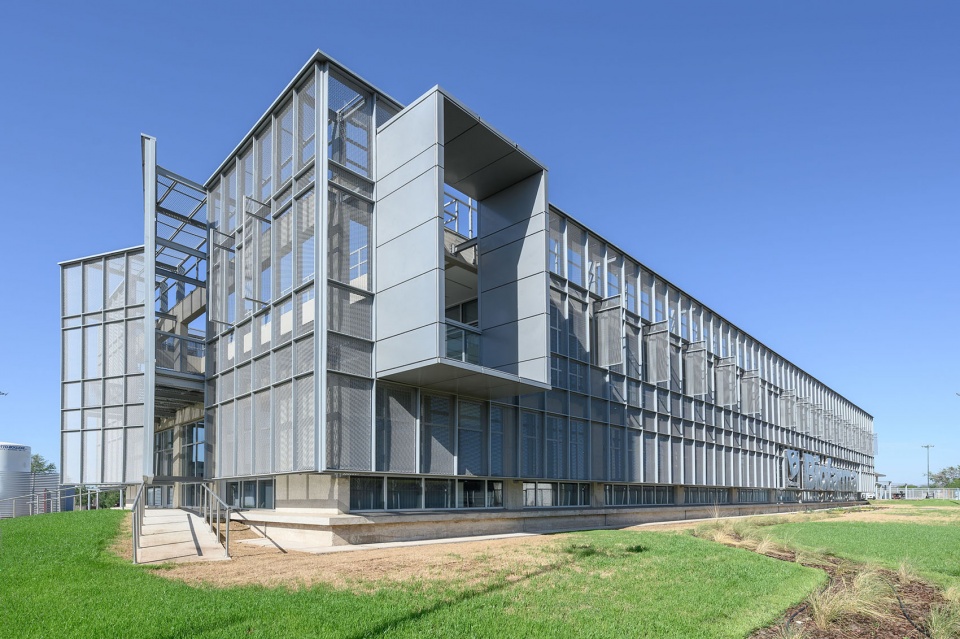
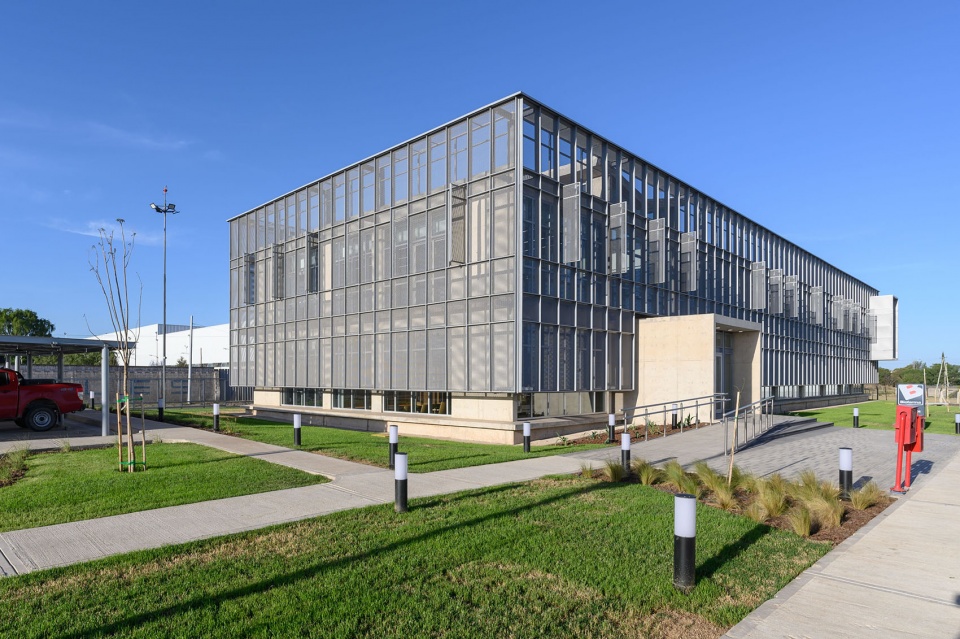
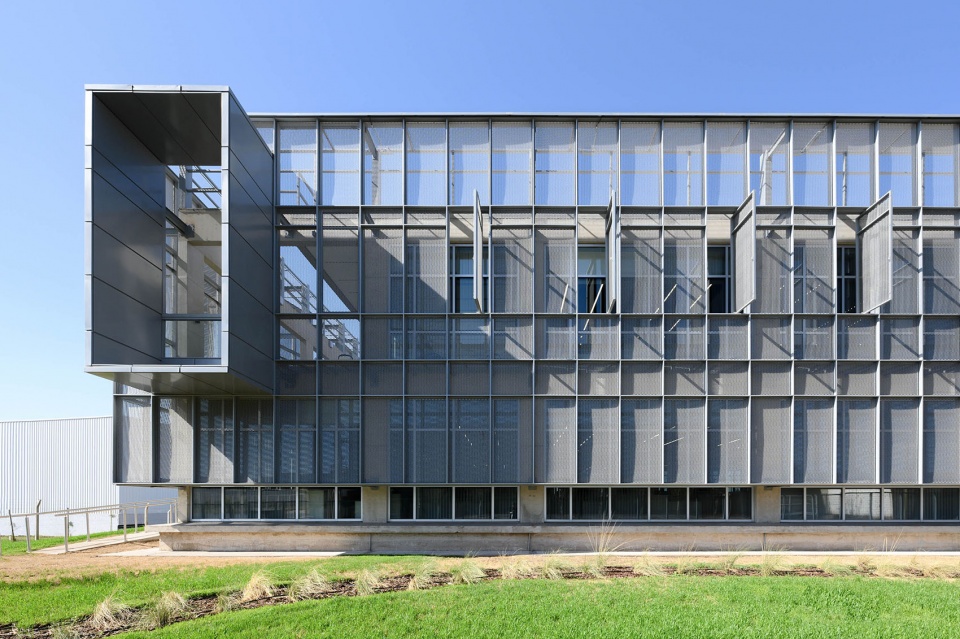
The entire front section of the building is enclosed with aluminum joinery, and laminated glass panels are fixed to the concrete columns. Together with the external metal tubular support structures and other components, this glass forms the building’s facade. An interstitial shaded space is created between the glass and the external structures, which helps reduce direct sunlight exposure and lower the building’s energy consumption.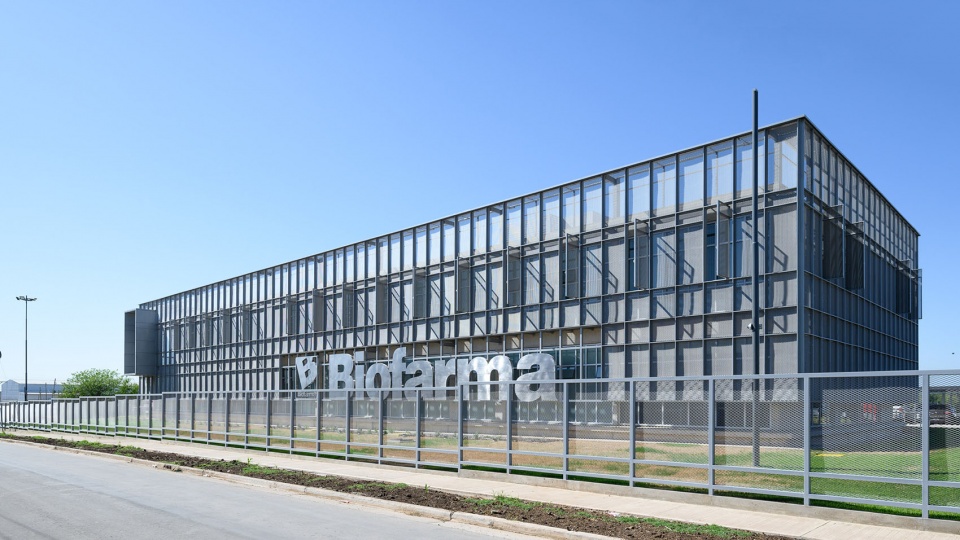
From the images of the building’s interior, it can be observed that laminated glass is used for partitions between offices, meeting rooms, and other spaces. This not only ensures a sense of spatial transparency and effective daylighting but also utilizes the sound insulation properties of laminated glass to provide relatively independent acoustic environments for each functional area.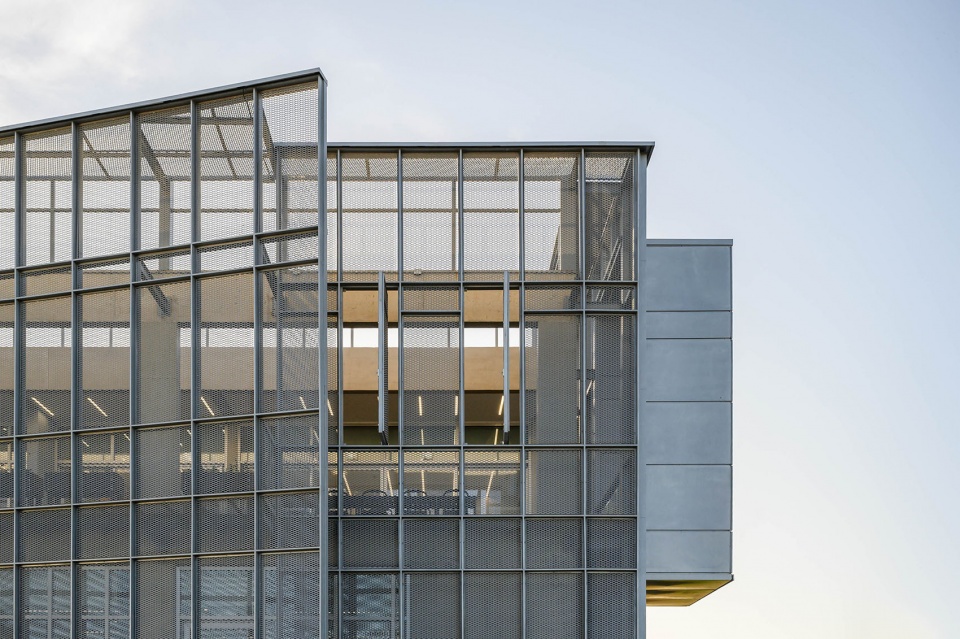
Post time: Dec-29-2025